
Automation


We evaluate the tools and methodologies driving the quantified self movement. From passive lifelogging to biometric wearables, our research helps you build a reliable, automated digital autobiography.
The quantified self gets useful when measurement starts with a real question: why do I lose focus after lunch, why does my sleep feel different on travel days, or which routines actually make mornings calmer?
At getsaga, we treat personal data as context with a timestamp. A step count on its own is thin. Pair it with location, calendar pressure, caffeine, light exposure, and mood notes, and it starts to explain a day instead of just scoring it.
Start with something you can feel in daily life. Energy dips, restless sleep, distracted work blocks, and skipped workouts all produce better questions than a vague desire to track everything.
A wearable can log heart rate. Your phone can log place and motion. A short note can log intent. The useful pattern usually appears between those layers.
If a dashboard needs ten minutes of decoding, it will not survive a busy week. Good personal analytics should produce sentences you can act on.
Before adding another sensor, write the decision you hope the data will help you make. If the decision is unclear, the tracking setup is not ready yet.
Most self-tracking problems are not caused by a lack of data. They come from missing surroundings. A sleep score can be useful—but the note that you slept in a hot room after a late train is what makes the number human.

Context-aware technology helps connect the quiet pieces: device sensors, location patterns, calendar events, ambient conditions, app behavior, and manual reflections. None of those signals needs to become a permanent archive by default. The better question is which signals deserve to be kept, summarized, or deleted.
Do not collect intimate data just because a device makes it easy. The right setup changes with body, job, home, and device limits, so review what you keep as seriously as what you track.
A practical lifelogging system rarely comes from one perfect app. It comes from a small stack of tools that capture, connect, and explain daily life without demanding constant attention.
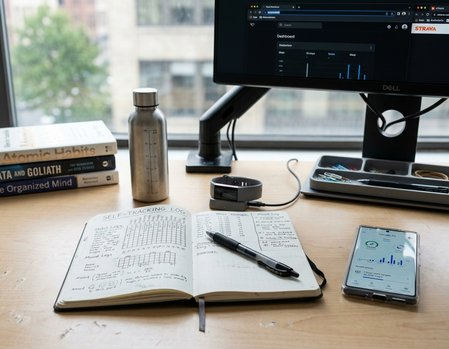
Habit analysis, personal metrics, and the psychology of measuring a life without turning it into a spreadsheet contest.
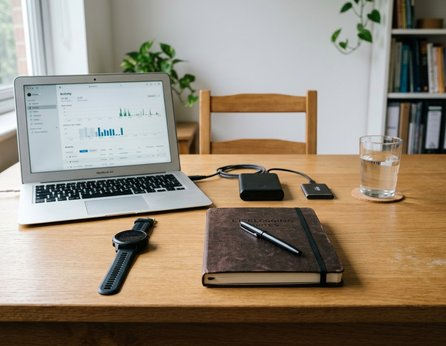
Methods for building a digital autobiography through passive capture, selective notes, photos, timelines, and memory prompts.
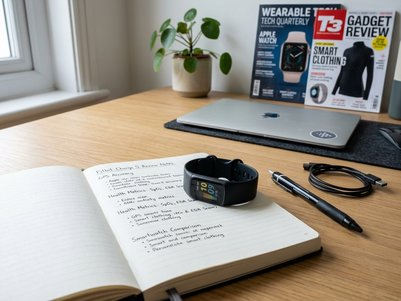
Smart rings, fitness bands, biometric clothing, wearable cameras, and the tradeoffs behind always-on sensing.

App connections, IFTTT routines, smart reminders, and lightweight systems that reduce manual tracking.

Context-aware assistants, smartphone sensors, predictive interfaces, and the next layer of personal computing.
Build the stack around questions, not categories. A calm morning routine might use wearables, automation, and contextual tech at the same time.
We publish for people who want to understand their own patterns without handing their life over to a black box. That means practical guides, careful tool comparisons, and essays that ask where personal analytics should go next.

Field experience revealed a simple rule: the most impressive setup is not always the one people keep using. Small automations, reversible archives, and honest weekly reviews usually beat elaborate systems that need constant maintenance.
You might also like our guide to balancing passive and active lifelogging if you are deciding how much capture is enough.


